
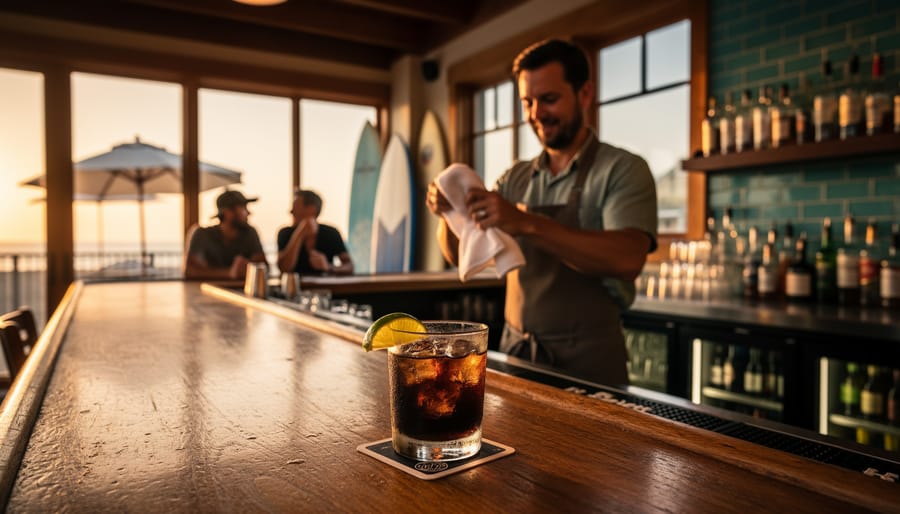
Picking the right bar in a beach town comes down to three quick checks: walk the main strip during happy hour to gauge crowd and vibe, ask locals (hotel staff, surf shop clerks) where they actually drink, and look for places with worn-in furniture and a mix of ages rather than pristine decor and matching polo shirts. The whole process takes about 30 minutes and saves you from overpriced margaritas in soulless tourist traps.
Beach towns are deceptive. That tiki bar with the Instagram-perfect sunset view? Probably charging $18 for a watered-down mojito. The dive with peeling paint two blocks inland? Could be pouring the best dark and stormy you’ve had all year for half the price, or it could be genuinely terrible. Just like scouting the best Toronto neighborhoods requires looking past the obvious hotspots, finding a great beach bar means knowing what signals matter and which ones don’t.
The stakes are higher on vacation. You’ve got limited time, you’re already spending money on accommodation, and a bad bar choice doesn’t just waste an evening, it becomes the story you tell when friends ask how the trip went. The good news: beach towns follow patterns. Once you know what to look for, you can spot a keeper within minutes of walking through the door.
What You Need to Know Before You Choose
Before you set foot in any beach town bar, do some strategic thinking. The groundwork you lay now determines whether you’ll discover a gem or waste an evening in a forgettable tourist trap.
Timing is everything. Peak season, think July and August for most coastal destinations, means packed patios, higher prices, and longer waits. Off-peak visits in May, June, or September often deliver better service, more interaction with locals, and easier access to prime seats. Consider the day of the week, too: Friday and Saturday nights attract the party crowd, while Tuesday or Wednesday evenings tend toward a mellower, more authentic vibe.
Know your budget and stick to it. Beachfront bars typically charge a premium for that ocean view, sometimes doubling the price of a cocktail compared to a spot two blocks inland. Tourist traps advertise aggressive happy hours but compensate with watered-down drinks and mediocre food. Local gems, the places where residents actually drink, offer better value and quality. Research average drink prices before you go; if you’re finding significantly cheaper deals, question why. Similarly, if you’re researching destinations like the best bars burleigh heads or other popular coastal areas, check multiple sources to gauge realistic pricing.
Here’s your pre-visit checklist:
- Crowd tolerance: Can you handle shoulder-to-shoulder energy, or do you need breathing room?
- Budget per person: Set a realistic number including drinks, snacks, and tip
- Location priority: Beachfront spectacle vs. inland authenticity
- Group size and vibe: Intimate conversation or social mingling?
- Logistics: Parking availability, walking distance, taxi or rideshare access
Don’t overlook practical details. Some beach bars enforce dress codes, no shoes, no shirt, no service is common, but upscale spots might require closed-toe footwear after sunset. If you’re staying a 20-minute walk away and plan to drink, confirm late-night rideshare availability or prepare for a long stroll home. These small considerations prevent frustration later.
Red Flags and Deal-Breakers to Watch For
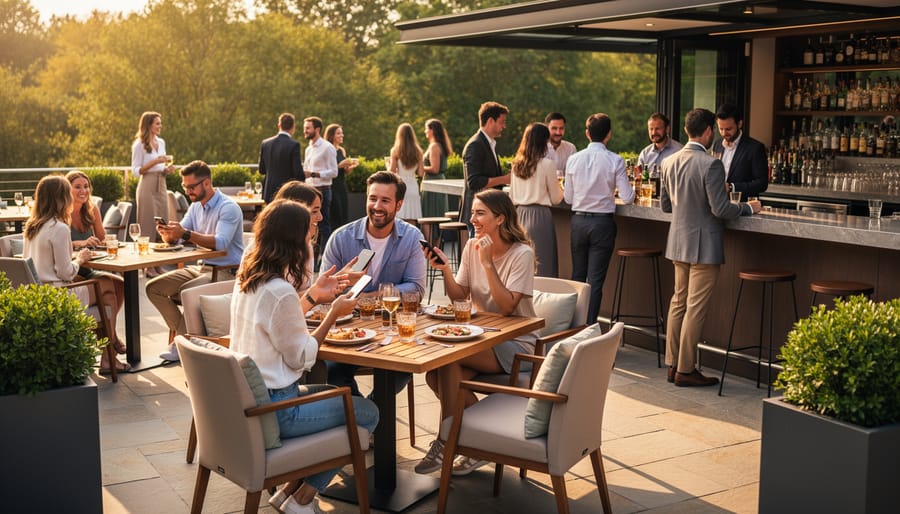
Not every bar by the beach deserves your time or money. A few warning signs can save you from a disappointing evening or worse.
Aggressive drink promotions plastered everywhere often mean watered-down cocktails and rushed service. If every other sign screams “two-for-one shots” or “unlimited everything,” the establishment is likely prioritizing volume over quality. Similarly, a bar that’s eerily empty during prime evening hours tells you locals have already voted with their feet.
Staff attitude matters enormously. Hostile, dismissive, or visibly stressed bartenders signal deeper problems with management or workplace culture. You’re there to relax, not navigate tense interactions.
Check the bathrooms early. Filthy facilities reveal how much the owners care about their space and guests. Sticky floors, broken fixtures, or a general lack of cleanliness are legitimate deal-breakers, no matter how good the sunset view looks.
Finally, apply the same judgment you’d use when you navigate neighborhoods back home. If something feels off, the crowd seems sketchy, the lighting is too dark, or you can’t shake a sense of unease, walk away. Beach towns have plenty of options, and no drink is worth compromising your safety or comfort.
Step-by-Step: Finding Your Perfect Beach Bar
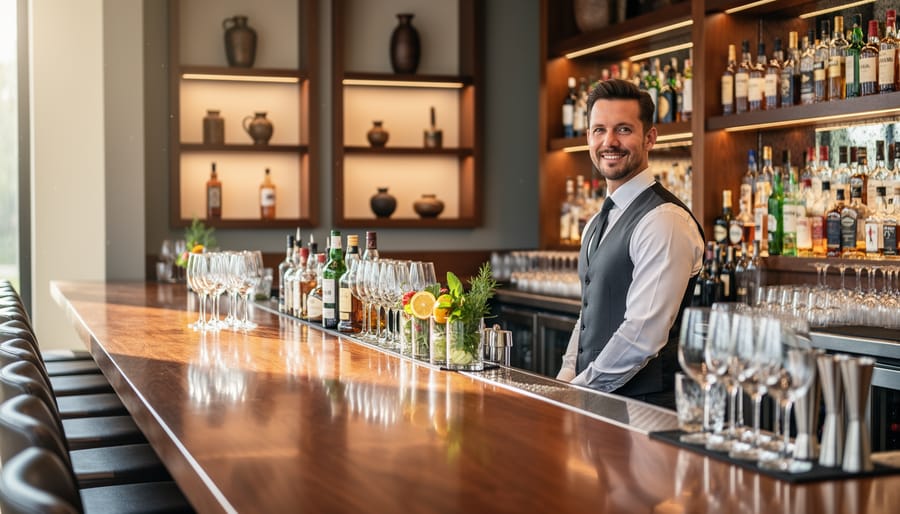
Do Your Homework (Before You Arrive)
Start your search weeks before you pack your bags. Instagram and Facebook reveal what beach bars actually look like right now, not five years ago. Scan location tags for the towns you’re visiting. Recent posts show crowd sizes, drink presentation, and whether that “ocean view” is genuine or oversold.
Google reviews matter, but read between the lines. One-star rants about slow service during spring break tell you less than three thoughtful reviews from locals praising the bartender by name. Sort by “newest first” to catch any recent changes in ownership or quality. Toronto residents know how quickly a spot can shift, the same applies at the beach.
Dig into local tourism blogs and “where locals go” lists. These often surface hidden gems that dodge the main strip’s inflated prices. Check bar websites or social pages for live music calendars and themed nights. A Tuesday reggae session or Friday fish fry can transform your evening from generic to memorable.
Jot down three to five contenders with notes on their vibe, price range, and standout features. This homework prevents wandering aimlessly when you’re tired, sunburned, and hungry. You’ll arrive with a plan, ready to verify your research in person.
Scout the Location and Setting
Walking past a bar in broad daylight reveals everything the evening rush will hide. You’ll see the actual state of the patio furniture, whether the view gets blocked by buildings or power lines, and how many steps separate you from the sand. A daytime scout lets you judge the space on its merits, not its marketing.
Stand where you’d sit and look around. Does the bar face the water or turn its back to it? Can you actually see the sunset from the seating area, or just catch a sliver between neighbouring structures? Beachfront sounds premium, but a second-row spot with a rooftop deck often delivers better sightlines.
Check the ground beneath your feet. Sand floors charm some people and annoy others, decide which camp you’re in before committing. Note the shade situation too. That gorgeous afternoon sun becomes punishing at 3 p.m. without umbrellas or a covered section.
Walk the perimeter. Is there easy beach access for a pre-drink swim? Where’s the nearest parking or public transit? A beautiful bar loses appeal when reaching it requires a sweaty half-mile trudge through tourist traffic.
Read the Crowd and Energy
The crowd inside a bar reveals more than any online review ever could. Stand near the entrance for a minute and watch who’s walking in and out. A bar filled with families ordering appetizers at 6 PM will transform into something entirely different by 10 PM. If you see mostly locals chatting with the bartender by name, you’ve likely found authenticity over tourist packaging.
A healthy mix matters. All couples nursing expensive cocktails? Might be too quiet. Entirely bachelor parties doing shots? Probably too loud for conversation. The sweet spot usually includes a range of ages and group sizes, everyone looking comfortable rather than forcing it.
Timing is everything. Happy hour attracts the after-work crowd and early diners, calmer, more mature energy. Post-dinner brings couples and friend groups. Late night tips toward the party scene. Visit during the timeframe that matches what you want from your evening, because the same beach bar operates on completely different frequencies depending on the hour.
Check the Menu and Drink Quality
A bar’s menu reveals its priorities. Look for local craft beers and regional spirits, these signal a commitment to quality and community ties rather than mass-market shortcuts. Fresh garnishes, house-made syrups, and seasonal ingredients in cocktails suggest a bartender who cares about the product.
Beware the ten-page laminated menu stuffed with neon-colored concoctions. A focused selection usually means better execution and fresher stock. Check prices against what you’d expect in the area. Unreasonably cheap drinks often mean watered-down pours or bottom-shelf liquor. Prices significantly above nearby competitors without obvious justification (premium location, craft focus) should raise questions.
Here’s your best move: ask the bartender what they recommend or what’s popular with locals. Their response matters as much as their words. Genuine enthusiasm, specific suggestions, and willingness to explain choices indicate pride in their offerings. A shrug or generic “everything’s good” suggests otherwise. Real bartenders love talking about what they make well.
Assess the Service and Hospitality
The bartender’s greeting tells you volumes. If they make eye contact, smile, and ask what you’re after rather than robotically rattling off specials, you’re in good hands. Strike up a brief conversation, ask about their favorite drink on the menu or what locals order. A knowledgeable bartender who lights up talking about a craft beer from down the coast or their take on a margarita is invested in your experience.
Watch how staff treat regulars and first-timers alike. Equal warmth across the board signals a welcoming culture. If servers seem rushed, distracted, or annoyed by questions, that stress trickles down to your evening. You want attentiveness without hovering, efficiency without coldness. Notice whether they check in genuinely or just mechanically refill waters.
Body language matters too. Crossed arms, eye-rolling, or staff huddled complaining at the end of the bar create an uncomfortable vibe. Trust what you’re sensing. Hospitality isn’t just politeness, it’s the difference between feeling like a guest and feeling like a transaction.
Evaluate the Atmosphere and Amenities
The physical space should support whatever evening you have in mind. If you’re after conversation with friends, test the music volume, you shouldn’t need to shout across the table. Scan the seating: are there cozy booths, communal picnic tables, or wobbly plastic chairs? Lighting matters more than you’d think. Harsh fluorescents kill the mood, while soft string lights or tiki torches signal someone cared about ambiance.
Look for extras that elevate the experience. Fire pits extend cool evenings. Cornhole or bocce courts add casual fun. Direct beach access means you can dip your toes in the sand between rounds. A killer sunset view from the patio? That’s worth planning your entire evening around. The best beach bars layer these elements thoughtfully rather than cramming in every possible feature. Choose a space that matches your intention for the night, whether that’s intimate and mellow or social and lively.
Trust Your Instincts and Commit
You’ve done the research, observed the crowd, sampled the vibe. Now it’s decision time. If a bar feels welcoming and comfortable within your first five to ten minutes, if you catch yourself relaxing into your seat, smiling at the music, or striking up easy conversation, you’ve found your spot. Stay.
On the flip side, if something nags at you, trust that feeling. Maybe the staff seems irritated, the drinks taste weak, or the energy just doesn’t click with your mood. You don’t owe anyone your evening. Beach towns pack enough bars within a short walk that cutting your losses isn’t defeat, it’s smart. Order one drink if you feel obliged, finish it without rushing, then politely move on.
The perfect beach bar reveals itself quickly. Your gut knows before your brain catches up.
How to Know You’ve Made the Right Choice
You’ll know within the first quarter hour whether you’ve struck gold. If you’re settling into your seat, genuinely enjoying your first drink, and the staff treat you like a regular rather than a walking tip, you’ve made a solid choice. Good bars have a way of making you feel both relaxed and energized, you’re not checking your phone every five minutes or scanning the room for a better option.
Quality reveals itself in small details. Your cocktail tastes fresh, not like it was batched three hours ago. The bartender remembers your name by the second round. Someone strikes up a friendly conversation that feels natural, not forced. You find yourself thinking about coming back tomorrow night, maybe bringing friends. These aren’t accidents, they’re the result of a well-run establishment that values atmosphere and hospitality over quick tourist turnover.
If your first pick doesn’t pan out, don’t force it. Give a place fifteen to twenty minutes, finish your drink politely, and move on without guilt. Beach towns thrive on options, and a mediocre bar tells you what to avoid in your next choice. Once you’ve found your spot, lean in: chat with the bartender about their recommendations, ask locals about other hidden gems (they’ll respect that you found this one), and consider the delta-9 guide if you’re looking for relaxation options back home. The right beach bar becomes more than a drinking spot, it’s the anchor point of your evening, maybe your whole trip.
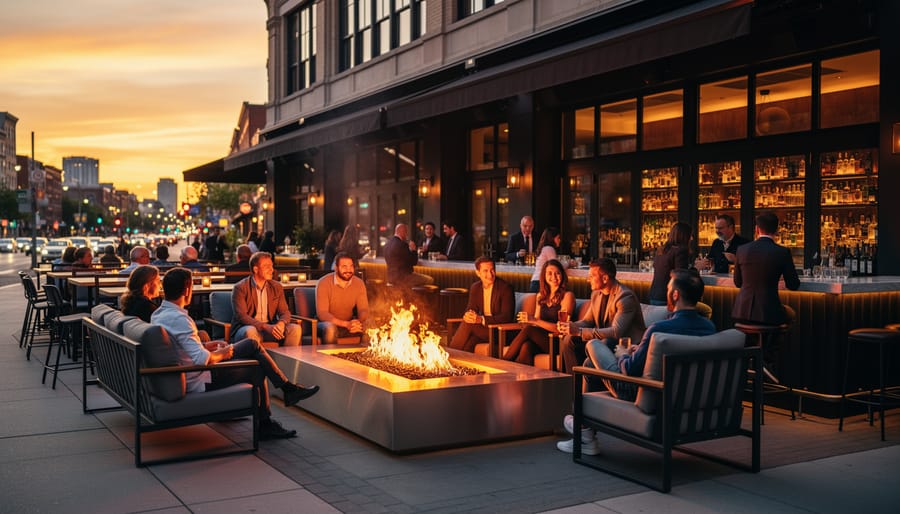
Common Questions About Choosing Beach Town Bars
How do I avoid tourist traps?
Look for bars a block or two off the main beachfront strip, check if prices are posted clearly, and watch for overly aggressive promotions or staff trying to pull you inside. Places filled with locals during off-peak hours are usually solid bets.
What time should I arrive for the best experience?
Early evening around 5-7 PM offers the sweet spot, you’ll catch happy hour deals, snag good seating, and experience the transition from relaxed afternoon to livelier night. Sunset time is prime if you want the view without peak crowds.
Should I stick to one bar or bar-hop?
Start with one bar to settle in and gauge the scene. If it feels right after an hour, stay and enjoy. If not, move on without guilt, beach towns thrive on variety, and exploring two or three spots in an evening can lead to unexpected discoveries.
How much should I expect to spend?
Budget $8-15 per drink in most beach towns, with craft cocktails and prime beachfront locations hitting the higher end. Set a rough nightly budget beforehand, say $40-60 for a few drinks and a snack, so you can relax without checking your wallet constantly.
Do I need reservations?
Most beach bars don’t take reservations, but upscale spots or places with limited patio seating might. Call ahead if you’re visiting during peak season weekends or have a large group. Otherwise, arrive early or embrace the casual walk-in vibe.
How do I find where locals actually go?
Ask your accommodation host, chat with shop owners, or strike up conversations with people who clearly live there. Locals love sharing their favourites when you show genuine interest. The same approach works back home when seeking out LGBTQ+ friendly bars or neighbourhood gems in Toronto.
Beyond these common questions, remember that choosing a beach bar isn’t an exact science. Your perfect spot might be someone else’s miss, and that’s fine. The goal is finding a place where you feel comfortable, the drinks taste good, and the setting matches your mood. Don’t overthink it, beach towns reward curiosity and a willingness to wander.
Finding the right beach bar isn’t about checking boxes on a perfection list, it’s about discovering a place where the atmosphere, drink quality, and authenticity align with what you’re after that evening. Some nights call for barefoot casual with sand between your toes. Others demand craft cocktails and a stylish crowd. Both can be perfect if they match your mood.
The bars that stick in your memory aren’t necessarily the fanciest or most Instagram-worthy. They’re the ones where you felt genuinely welcome, where a bartender shared a local secret, or where conversation flowed as easily as the drinks. That’s why talking to locals and staying open to recommendations beats rigidly following any checklist.
Whether you’re escaping Toronto for a coastal getaway or applying these same principles to our own lakeside haunts along the Beaches or Port Credit, the fundamentals hold. Scout the vibe, watch for red flags, trust your instincts. The best discoveries happen when you balance smart research with spontaneous exploration. Your perfect beach bar is out there, and now you know exactly how to find it.